Exploring the psychology behind casino games
The Allure of Chance and Risk
The psychology behind casino games is intricately tied to the human attraction to risk and uncertainty. The thrill of not knowing whether a gamble will yield rewards activates the brain’s reward system, resulting in the release of dopamine, a neurotransmitter associated with pleasure and motivation. This phenomenon is particularly evident in games like slot machines and poker, where players often find themselves chasing the elusive big win, especially when they engage with platforms like Betty Casino that offer enticing experiences. The anticipation of potential payoffs becomes a compelling driving force, encouraging players to return to the tables or machines, even when they are aware of the unfavorable odds they face.

Cognitive biases significantly influence how players perceive risk and reward in gambling contexts. One prevalent bias is the gambler’s fallacy, where individuals mistakenly believe that past outcomes influence future results. For example, a player might think that a slot machine is “due” for a payout after a series of losses, overlooking statistical realities. This misjudgment often leads to irrational decisions and escalates engagement, as players become more emotionally invested in the game, igniting hope and excitement despite the odds working against them.
The design of casino environments contributes greatly to this psychological allure. From the vibrant lights to the enticing sounds of spinning reels and ringing bells, every aspect of a casino is carefully engineered to create an immersive experience. This sensory stimulation reinforces the thrill associated with chance, transforming the act of gambling into a multifaceted experience that encompasses excitement, social interaction, and the potential for financial gain. As a result, individuals are drawn deeper into the world of wagering, often losing sight of the inherent risks involved.
The Role of Reward Systems
Casino games are meticulously crafted to leverage the brain’s reward pathways, creating an environment where intermittent rewards can deeply engage players. The unpredictability of wins—often spaced out—creates a powerful reinforcement loop akin to operant conditioning, where behaviors leading to rewards become more entrenched. For instance, a player experiencing a small win, followed by a string of losses, may find that the memory of that win motivates them to continue playing, driven by the hope of replicating that success.
Furthermore, casinos are adept at utilizing loyalty rewards programs to further entice players. By offering points, bonuses, and other incentives, establishments create a sense of added value that extends beyond immediate winnings. This can lead to increased patronage, as players seek not only the thrill of gaming but also the potential for greater rewards through loyalty. This psychological mechanism is central to the business model of casinos, fostering a cycle of engagement that keeps players returning, often more frequently than intended.
Understanding the cognitive psychology behind rewards elucidates why players often rationalize their losses. Many exhibit loss aversion, a phenomenon where individuals feel the sting of losses more acutely than the satisfaction derived from equivalent gains. This imbalance creates an environment where players feel compelled to continue gambling in the hopes of recouping losses, rather than making the rational decision to walk away after an unfavorable outcome. Breaking free from this cycle can be exceptionally challenging, as emotional investment in both the game and the potential rewards can become overwhelming.
The Social Influence of Gambling
Gambling is not merely an isolated activity; it is often a profoundly social experience that shapes interpersonal interactions. Social norms surrounding gambling can significantly influence individual behaviors, as players may feel pressured to participate in certain practices or to wager more than they would if they were alone. The communal atmosphere of casinos often fosters a sense of camaraderie among gamblers, encouraging risk-taking behavior that might not occur in solitary play. This collective excitement can overshadow personal judgment and lead to decisions that individuals might otherwise avoid.
Moreover, the impact of social media and technology on gambling has transformed the gaming landscape. Online platforms allow players to connect, share experiences, and even engage in virtual gambling communities. This social engagement can amplify the desire to play, as individuals seek validation and a sense of belonging through their interactions. The influence of peers and online communities reinforces the notion that gambling is an acceptable risk, motivating individuals to partake in these activities even when they might have reservations.
However, the social aspect of gambling can also lead to detrimental consequences. Individuals may downplay their gambling behaviors when supported by a social network that normalizes such practices. This can create a cycle where risky behavior becomes habitual and accepted, allowing potential issues to escalate without notice. To address these challenges, it is vital to promote conversations around responsible gambling and develop support systems within gambling communities that recognize and address the psychological implications of these social dynamics.
The Impact of Environment on Gambling Behavior
The environment in which gambling takes place significantly influences players’ psychological states and decision-making processes. Casinos are designed to be visually and acoustically stimulating, incorporating elements that evoke excitement and anticipation. The strategic layout of a casino, with its placement of games and amenities, encourages players to linger and engage more deeply with their surroundings. This immersive ambiance can lead to a dissociation from the reality of time and money, creating a perfect storm for excessive gambling behaviors.
Moreover, the absence of natural light and clocks in many casinos can further manipulate players’ perceptions of time, contributing to extended gambling sessions. This design tactic exploits individuals’ psychological tendencies to lose track of time and focus solely on the game at hand. As players become engrossed in the thrilling environment, it becomes increasingly challenging to make rational, clear-headed decisions about their betting behaviors, leading to impulsive actions that can have lasting consequences.
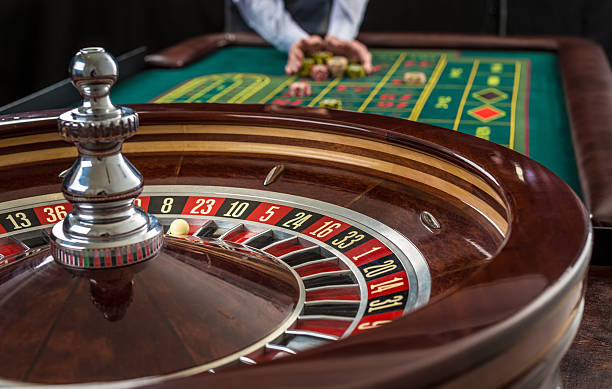
The tactile experience of handling chips or cards can also enhance emotional and psychological attachments to the game. The physicality of these elements makes the gambling experience feel more tangible and engaging, solidifying the connection between rewards and emotional satisfaction. As players interact directly with their environment, the thrill of possibility often overshadows logical thinking, drawing them deeper into the gambling experience and potentially leading to decisions that could jeopardize their financial well-being.
Understanding Responsible Gaming
A crucial aspect of the conversation surrounding casino games is the importance of understanding responsible gaming practices. Psychological research emphasizes the need for individuals to recognize their behaviors and triggers to maintain a healthy relationship with gambling. Educating players about the potential risks and addictive elements of casino games empowers them to make informed decisions when engaging in gambling activities. Establishing clear limits on time and expenditure can help individuals enjoy gaming without falling into harmful patterns.
Many casinos are increasingly aware of their responsibility to foster safer gambling environments. Implementing strategies such as self-exclusion programs, providing resources for individuals grappling with gambling problems, and launching awareness campaigns designed to educate the public can significantly mitigate the risks associated with gambling. These initiatives indicate a growing recognition of the psychological factors at play and the need for a balance between enjoyment and safety in gaming.
In conclusion, the psychology surrounding casino games is multifaceted, encompassing elements of risk, reward, social dynamics, and environmental design. As players navigate this complex landscape, understanding the underlying psychological mechanisms can lead to healthier gambling practices. Engaging in self-reflection and seeking support when necessary can pave the way for more responsible gaming experiences, ensuring that entertainment remains just that—entertainment without the shadows of addiction or regret.